
The Instruction Has an Owner. Does Anyone Own the Next Review?
Make instruction ownership practical with review triggers, a current version and a route for reported gaps. Test how a question becomes a reviewed change.
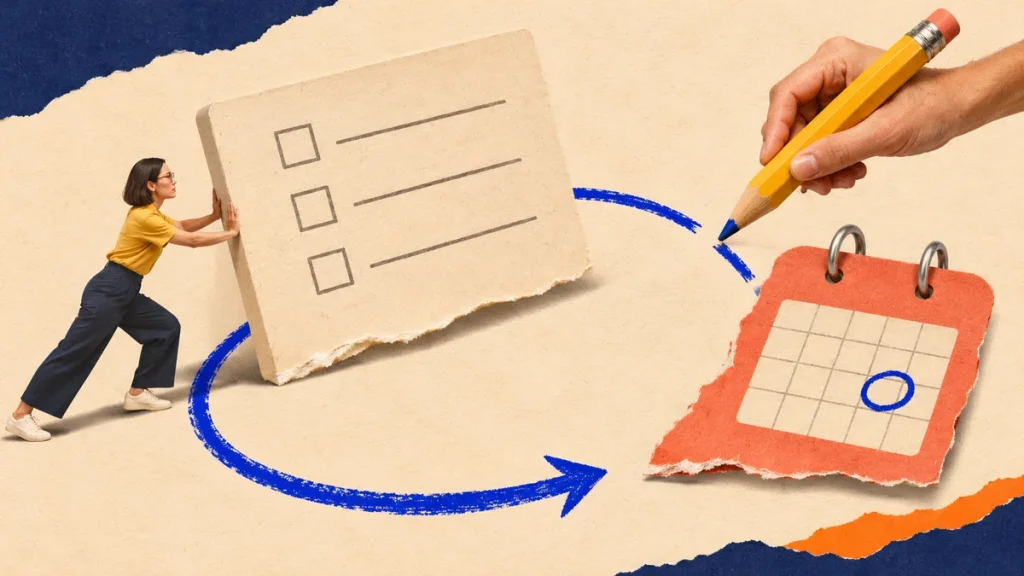
The instruction has a name beside it and a place in the shared folder. Months later, the team changes a step, but the document still describes the old method.
Naming an owner is a useful start. Maintaining shared knowledge also needs a practical arrangement for noticing change, reviewing the words and telling readers which version to use.
Give ownership a small set of actions
Imagine a fictional design studio where an operations partner maintains recurring-work instructions. Rather than treating ownership as a label, the team defines what the role does: receive reported gaps, arrange the appropriate review and keep the current source identifiable.
The owner does not need to know every answer personally. They need a workable route to the people authorised to decide the underlying process.
Write down who covers that role when the owner is unavailable. Otherwise a document can have a named owner while a straightforward correction still has nowhere to go.
Use dates and change signals together
A review date can prompt a check, but the work may change before that date arrives. Agree which events should bring the instruction back for review: a changed tool, a revised template or repeated uncertainty reported by readers.
Choose an arrangement the team can actually maintain. An ambitious calendar of reviews that nobody performs adds less clarity than a modest routine with visible responsibility.
Keep the distinction between a review being due and a review being completed. The date on the page should not imply a check that has not happened.
Connect the change to the version
Record what changed, why and which decision or observation supported it. Identify the instruction version affected and whether an application test needs to be repeated.
Make the current approved location clear to readers. Follow the organisation’s storage and retention rules for earlier material so an older working copy does not look equally current.
A change log should help the next person understand a relevant difference, rather than becoming a long list of unexplained edits.
Test the maintenance route with one question
Choose a fictional gap in an instruction. Ask a colleague how they would report it and what they would expect to happen next. Can they find the owner, identify the current version and see whether the question is still unresolved?
Then follow the review route on a safe example. Record who made the decision, what changed and how a reader would discover the update. Where the route depends on an unwritten favour or private message, make the supported arrangement clearer.
A knowledge base stays useful through these small maintenance decisions. The point is not to declare the documents permanently finished, but to keep a credible route from a reader’s question to a reviewed instruction the team can use.
Explore the working instruction
See the related guide: Keep Working Instructions Useful Beyond Their Author.
- Your Most Experienced Colleague Is Away. Can the Instructions Cover the Shift?
- You Explained Every Step. Did the New Starter Really Test the Instruction?
For a written practice option, review the Team Knowledge with Matze course overview. It uses written exercises and requires your own review of the working instructions.
Check the course contents and current terms. Affiliate link: Superstore may earn a commission if you buy.


Discussion 0
What did this article make you think about?