
When a “Quick Fix” Reveals a Bigger Website Problem
Several similar requests may justify an investigation. Preserve what each one actually shows, then explain what a wider change would need to establish.

The client asks you to correct a service contact detail for the fourth time. A redesign proposal may feel obvious to you. Before presenting it, establish whether the requests reveal a recurring structural difficulty, different local mistakes or an unresolved ownership decision.
Define the pattern you think you see
Consider a fictional maintainer supporting a training company. Several recent requests concern conflicting venue information on different course pages. Some corrections were supplied after a timetable change; another was a missed occurrence of older text. The maintainer suspects the information is maintained in too many places.
That suspicion is a starting question, not a confirmed technical diagnosis. Keep each request’s context: location, information changed, reason if known, completed action and subsequent observation. Repeated vocabulary is not enough to establish one underlying problem. A shared-looking panel may be independent content, while visually different areas may use the same source.
Prepare three short case notes
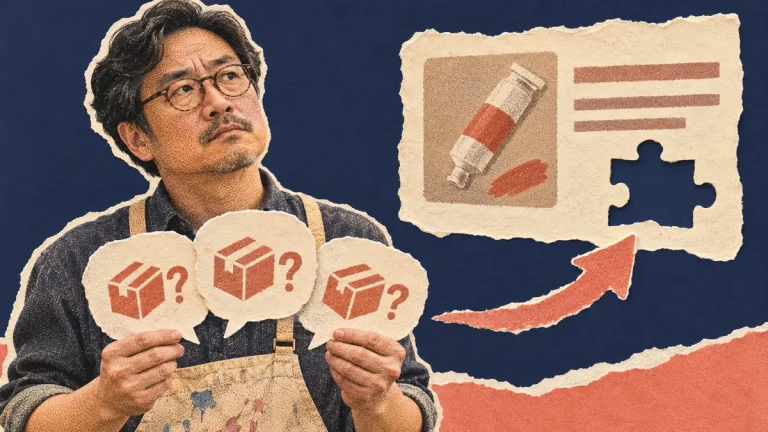
Choose a small representative set rather than listing every inconvenience. One note might show a venue change updated on one course page while another still carried the previous location. Another might show two owners supplying different venue wording. A third might show a separate local editing mistake with no established connection to the others.
These are illustrative cases to investigate, not findings from an actual site. Include evidence that could weaken your preferred explanation. If a request is unrelated, leave it outside the proposed pattern. A useful development discussion should not depend on making every maintenance ticket support the same sales argument.
Separate observation from a proposed cause
Write the observed pattern in neutral language: “The same venue information appears in several course contexts, and the recorded requests include inconsistent updates.” Then name what is not known: where those values come from, who maintains them and whether the current site supports an appropriate shared source.
Avoid jumping from that note to “the database needs rebuilding” or “we need a new platform”. The investigation may reveal a content ownership problem, a missing update checklist or an implementation issue. Those lead to different responses. Ask what evidence would distinguish them before prescribing the most substantial change.
Offer proportionate next steps
One option is to continue bounded corrections while improving the record of affected locations. Another is a small investigation of one repeated information type, its sources and maintenance route. A larger development stage becomes a separate discussion if the evidence establishes a need and the client wants to pursue it.
For the training company, a proposed investigation could map venue information for a limited set of course pages and identify who supplies changes. State the expected output, such as a source map and recommendation, rather than promising that a new structure will eliminate every error. Agree any scope, cost and timing through the actual service process before starting additional work.
Present the pattern without manufacturing urgency
A useful client note could say: “Recent venue corrections suggest that the update route may need a closer look. These three examples show where the wording diverged, although their causes are not all confirmed. We can keep handling the agreed individual edits, or separately map one venue-information flow and recommend a maintenance approach. Would that investigation be useful now?”
Adapt that to the real evidence and service obligations. Do not withhold an agreed correction to force a wider purchase, or describe every repeat as a crisis. The client needs an understandable choice, including what happens if they defer the investigation. A modest process change may be a more suitable result than new development.
Measure the next decision against its purpose
If a larger change is agreed, keep the original pattern note available. It states the problem the work is meant to address and the assumptions that still require checking. After implementation, examine the agreed maintenance route rather than declaring the original symptom impossible. You are turning contextual observations into a proportionate proposal, with room for evidence to change the recommendation.
Look for a pattern across requests before proposing a larger change. A usable review history can help you show the pattern while keeping individual client comments in context.
To inspect whether updates share a source, use the instance-versus-component scope guide. To define a separately agreed service stage, compare routine corrections, layout adjustments and new functions.

Discussion 0
What did this article make you think about?