
The Invoice Looks Familiar. Why Did the Bank Details Change?
A familiar invoice can carry an unfamiliar payment change. Verify the request through an established independent route before using the normal approval process.
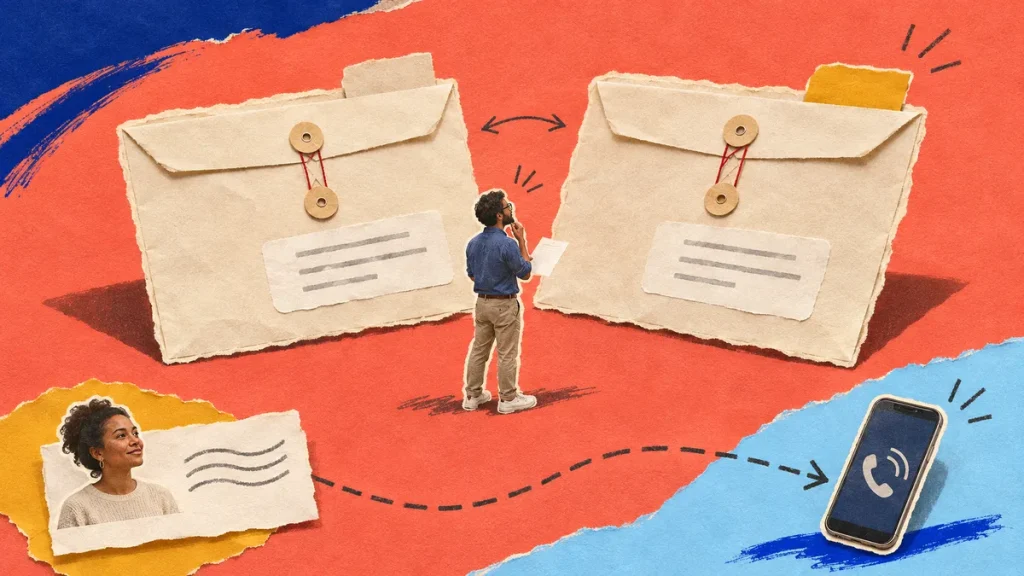
The invoice has the right logo, the expected amount and the name of a supplier you use every month. One detail is new: the account the message asks you to pay.
That change deserves its own check. Familiar surroundings do not establish who requested it or whether the payment instruction has been authorised.
Separate the invoice from the changed instruction
Imagine a fictional equipment-rental business receiving a supplier invoice. The purchase is expected, but the accompanying email says the supplier has moved banks.
Keep the invoice question and the account-change question distinct. A genuine purchase does not establish that a new payment destination is genuine. An existing email conversation can also be a route through which a misleading instruction reaches the business.
Use the business’s existing process for reviewing changes to payment information. If that process is unclear, take the question to the person responsible rather than treating urgency as a substitute for verification.
Reach the supplier through a route you already trust
Contact the supplier using established details held separately from the message containing the change. Check who is confirming the request and what change they are authorised to confirm.
Do not use a new callback number supplied in the same suspicious message as your only independent check. Repeating the question to the address that sent it does not create a separate source of assurance.
The Northern Ireland Cyber Security Centre’s business-email-compromise guidance specifically recommends calling through contact details already on file when an email requests changed bank details.
Keep verification and approval visible
Record the material check through your normal working arrangements: which request was reviewed, how the supplier was contacted and which responsible person confirmed the next action. Keep unnecessary banking or personal information out of a general training note.
Verification is not the same as approval to make a payment. Continue through the business’s ordinary authority and payment controls after the request has been assessed. A reassuring phone exchange should not quietly expand the handler’s role.
If the information conflicts, leave the change unresolved and escalate the specific question. A tidy paid label would conceal the uncertainty rather than settle it.
Practise before the urgent message arrives
Use a fictional invoice with a changed destination. Ask a colleague to find the established supplier contact route and explain who reviews the change. The exercise should work without using the contact details printed inside the questionable request.
If money may already have been sent following a fraudulent instruction, contact the financial institution promptly through its established official route and inform the responsible person. The FBI’s guidance recommends immediate contact; it does not promise that funds can be recovered.
The useful habit is a deliberate pause around a consequential change, with an independent check and a visible decision route.
Primary references: NI Cyber Security Centre: business email compromise, FBI: business email compromise.
Continue with a related working question
Explore Check the Request Behind a Familiar-Looking Message, or read The Sign-In Page Looks Right. How Did You Get There?.
For a written learning option, see the Work Safely Online with Matze course overview. You use your own authorised tools and review the exercises yourself.
Review the course contents and current terms. Affiliate link: Superstore may earn a commission if you buy.


Discussion 0
What did this article make you think about?