
You Edited the AI Draft. Can You Explain What You Checked?
An explainable review names the meaningful edits and the evidence behind them. A short note can help the next reader use the document responsibly.
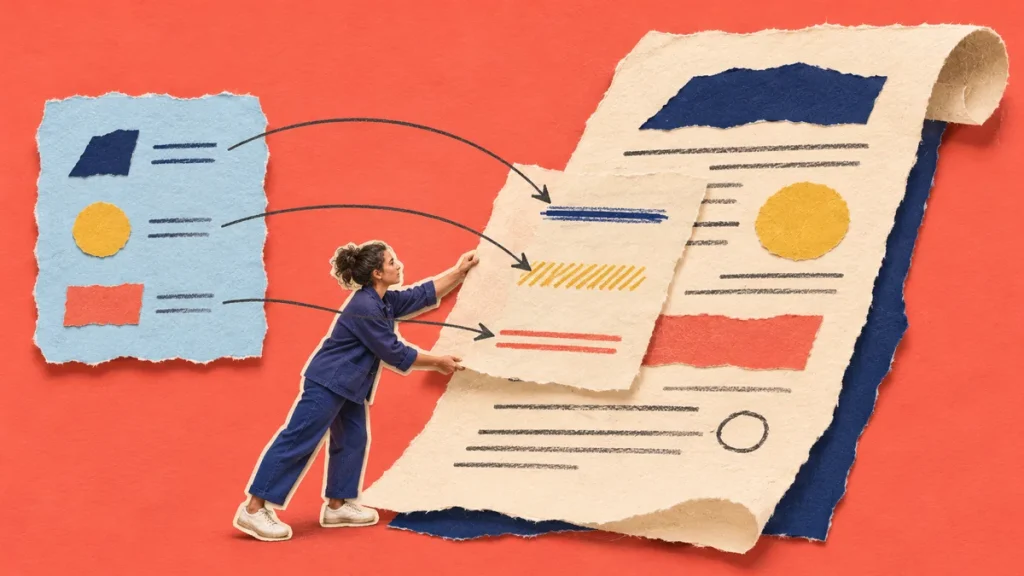
A colleague asks why you changed three sentences in an AI-assisted briefing. “I checked it” is true, but it does not tell them which information you compared or which question remains open.
A short edit note can make one document easier to understand without turning routine review into an elaborate scoring exercise.
Describe the material change
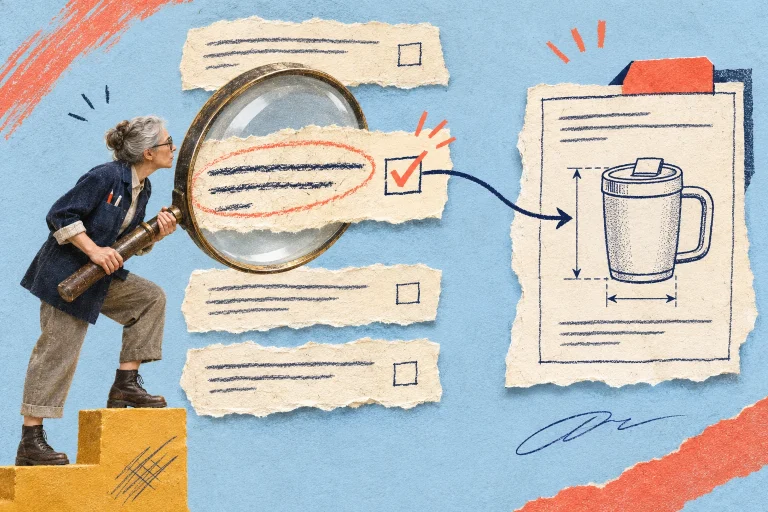
Imagine an independent consultant reviewing a fictional office briefing. She changes a unit description, separates a calculation from an assumption and removes a sentence the supplied source does not support.
The useful note names those changes and their basis. It does not need to log every comma. Focus on edits that affect meaning, evidence or the action a reader may take.
Keep the note attached to the reviewed version. A comment about an earlier draft may no longer explain the document someone is using today.
Connect the correction to what you checked
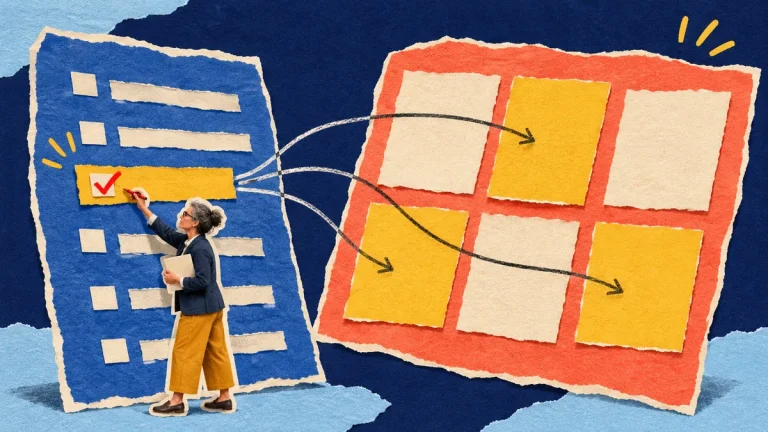
For each important edit, record the source point or the check performed. “Changed pack quantity to match the supplied specification” tells the next reader more than “fixed accuracy”.
If you checked arithmetic, say which quantities and units were used. If you clarified wording, explain the condition preserved. If a claim could not be supported, say whether it was removed or left as a question for the responsible person.
Do not describe an unperformed check as completed. A note can honestly say that an amount was copied from an approved source while a separate interpretation still needs confirmation.
Keep a remaining question actionable
A review can finish with an open item. Identify the specific question and the person or role who can resolve it through the normal working route.
For the consultant’s briefing, that might mean confirming whether an assumption is appropriate before using a recommendation. It is clearer than a general disclaimer placed at the end of the page.
The note should help the colleague decide what they can use now and what still needs attention. It should not imply that one review certifies every possible use of the document.
Use a small handover format
A practical note can contain four lines: reviewed version, material edits, checks performed and remaining question. Adapt it to the document rather than imposing fields nobody will use.
Ask a colleague whether those lines explain the changes they noticed. If they still need to reconstruct the entire drafting conversation, add the missing source reference or reason.
This is a record of one document’s review, not a pilot result or a measure of AI performance. Its value is local and concrete: another person can see what you changed, why you changed it and what the reviewed text still depends on.
Continue with a related working question
Explore Carry the Brief and Human Review into the Next AI Task, or read Your Best Prompt Lives in a Chat. Can Your Colleague Use It?.
For a written learning option, see the AI at Work with Matze course overview. You provide an approved AI tool and perform the human review.
Review the provider’s course details. Affiliate link: Superstore may earn a commission if you buy.

Discussion 0
What did this article make you think about?