
The Brief Changed Midway. Which Parts of Your AI Draft Need Reworking?
A changed requirement needs an impact check across the draft. Targeted revision can preserve useful work and expose dependencies.

The project brief changes after the AI draft is half finished. The client now wants a staff handout instead of a presentation for managers. Should you regenerate everything, edit a few headings or start again?
First identify what the change affects. A new brief can alter some sections deeply while leaving useful source material intact.
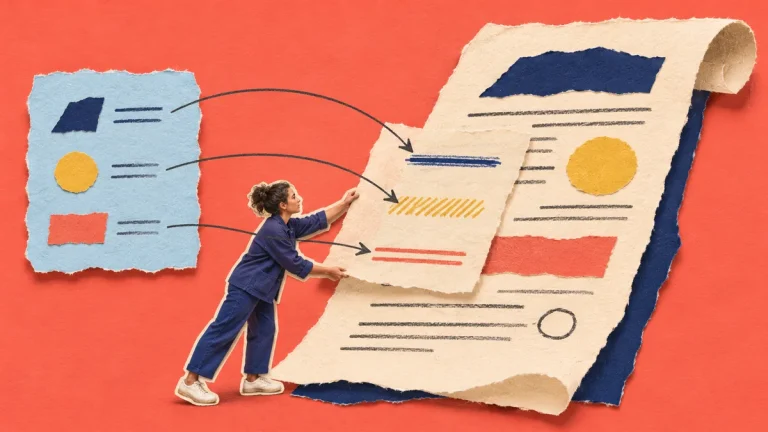
Write the change as a difference
Consider a fictional service-office project lead preparing an internal guide. She records the earlier requirement and the new one side by side: audience, purpose, format or practical constraint.
Avoid a vague note saying “the brief changed”. Name the actual difference. A new audience may need different explanations; a changed deadline may affect the proposed sequence; a smaller scope may remove an entire section.
Keep the approved new requirement available beside the draft. The reviewer should not have to infer it from the latest rewrite.
Map the affected sections
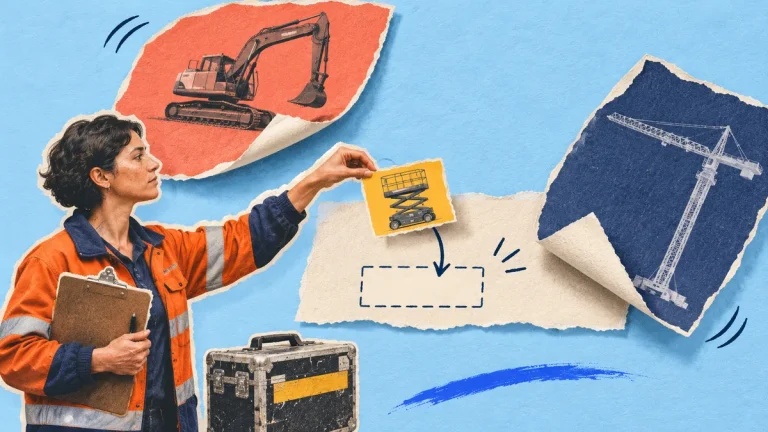
Go through the draft and mark each section as affected, potentially dependent or apparently unchanged. Add a short reason.
For the staff-handout example, background for managers may be shortened, practical steps may need more detail and a management recommendation may be removed. A factual description of the process may remain useful, subject to the normal review.
The map is a working judgement, not an automatic classification. A change to one assumption can affect a later conclusion even when the later paragraph contains none of the changed words.
Ask for a targeted revision
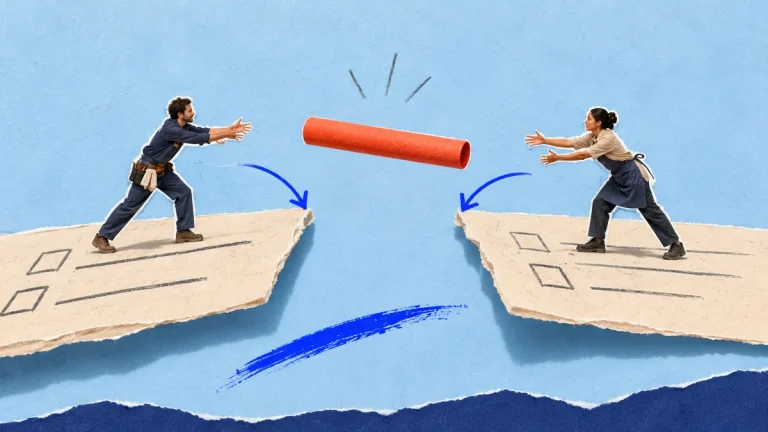
Give the AI tool the new requirement, the relevant draft sections and the boundaries for the revision. Ask it to identify dependencies before rewriting the selected material.
Compare its proposed changes with your impact map. If it alters unrelated sections, decide whether those changes have a reason. If it leaves a dependent conclusion untouched, bring that question back into the review.
Keep a known earlier version so you can see what actually changed. A wholesale rewrite can make it harder to distinguish necessary adaptation from unrelated wording changes.
Recheck the document as a whole
After targeted edits, read the opening, section order and next action together. Do they now address the new reader and purpose? Are there old references to the earlier format left in headings or transitions?
Record the changed requirement, the affected sections and any question still awaiting the client or project owner. You do not need to describe every adjective to leave a useful rework note.
A proportionate revision preserves useful work while following the new brief. The finish is a coherent document for the changed task, with a visible explanation of why the important parts were reworked.
Continue with a related working question
Explore Carry the Brief and Human Review into the Next AI Task, or read Your Best Prompt Lives in a Chat. Can Your Colleague Use It?.
For a written learning option, see the AI at Work with Matze course overview. You provide an approved AI tool and perform the human review.
Review the provider’s course details. Affiliate link: Superstore may earn a commission if you buy.
Discussion 0
What did this article make you think about?