
Which Account Would Stop Your Business First?
A short dependency map can show why one quiet account deserves attention before the tools you open every day.
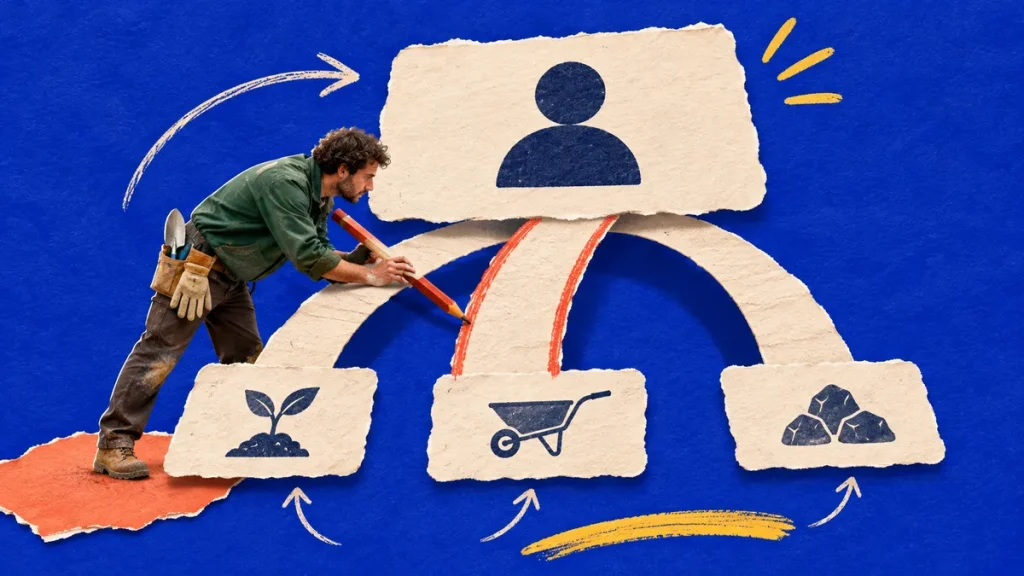
Nora can still open her design software, but she cannot send a proposal. The drawings are finished; the business email account is unavailable. Her most visible tool is working while the next piece of paid work stands still.
This fictional landscape designer’s problem suggests a useful starting question for account security: which loss of access would interrupt the work you actually need to finish?
Follow one piece of work
Choose an ordinary business activity, such as accepting a new project. Write down which accounts let you receive the enquiry, find the agreed scope, send the proposal and confirm payment. Use service names and business purposes, without recording passwords or recovery codes.
For Nora, the chain might include email, document storage and invoicing. Another business may depend on a booking system or a domain account. The point is to reveal dependencies specific to the work, rather than copy somebody else’s ranking.
Ask what would still be possible if each account became unavailable. Could a colleague continue through their own authorised access? Would the missing account also obstruct recovery of another service?
Rank the interruption
Separate inconvenience from a serious interruption. A useful note describes the blocked activity: “Cannot receive new booking confirmations” says more than “Important account.” Include who would be affected and which responsible person understands the service.
The NCSC’s guidance asks organisations to consider accounts that hold customer or staff information or would cause serious disruption if compromised. It highlights services including finance, online storage, websites and point of sale. Your map translates that broad advice into your own working dependencies.
Do not treat this exercise as a professional risk assessment. It is a way to identify where a closer, authorised check is needed.
Name the owner and the recovery route
For each priority account, identify the authorised owner and the provider’s established support route. Check whether the business knows where its approved recovery arrangements are documented. Keep the actual recovery material in its appropriate secure location, separate from this general inventory.
An account used by everyone can still lack an obvious decision-maker. Record that uncertainty as an action for the responsible person, rather than solving it by sharing a personal login.
Finish with one concrete review
Choose the highest-consequence gap and give its review an owner. That might mean confirming the official recovery instructions or asking an authorised administrator to review existing protection. Follow current provider guidance before making changes.
Date the map and revisit it when a new service becomes essential or a responsible person changes. A useful first result is modest: you can explain which account deserves attention, what depends on it and who can act.
Primary references: NCSC: secure your important online accounts.
Continue with a related working question
Explore Start with the Accounts Your Working Day Depends On, or read You Turned On MFA. Could You Still Sign In After Losing Your Phone?.
For a written learning option, see the Work Safely Online with Matze course overview. You use your own authorised tools and review the exercises yourself.
Review the course contents and current terms. Affiliate link: Superstore may earn a commission if you buy.


Discussion 1