
Before You Ask for a Photo, Tell the Customer What It Needs to Show
Make a customer photo request specific: explain the relevant detail, why it matters and how to send it through your approved route without unrelated information.
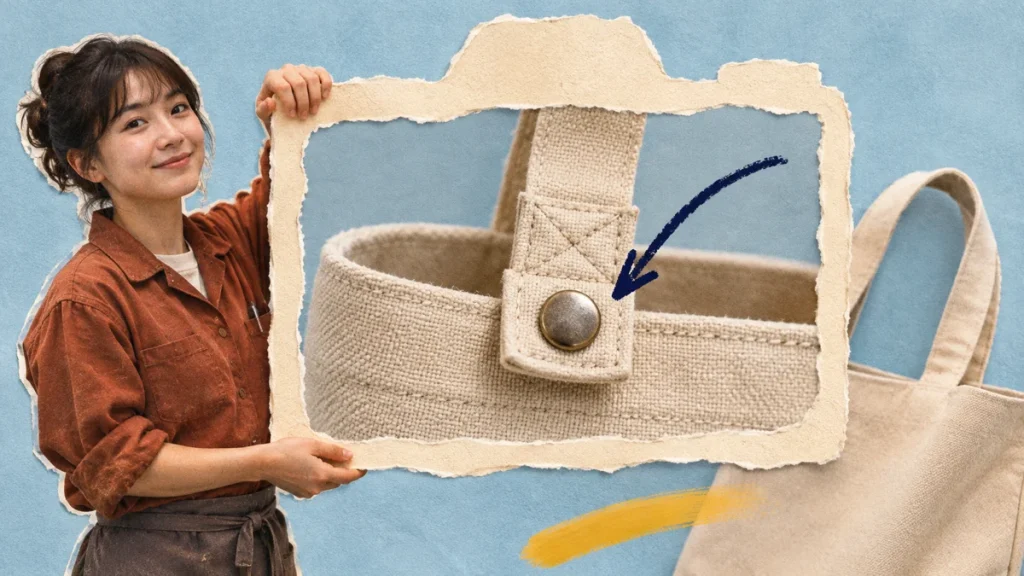
“Please send a photo” sounds like a clear next step. The customer sends a picture of the whole bag. You needed to see the fastening. Another exchange begins.
A useful information request explains the detail the customer should show and how it will help the next step. The aim is enough relevant information, not a collection of everything the customer can photograph.
Decide which question the image will answer
In this fictional outdoor-equipment shop, an assistant needs to identify which fastening the customer means. A close view of that part may help; a wide photograph of the room probably will not.
Write the information gap before writing the request. Are you identifying a part, clarifying which item is involved or asking someone to show a reported condition? Keep those purposes distinct so the customer understands what to include.
Do not present the photograph as a decision already made. It can supply information for the person handling the case; it does not automatically establish the cause or the available outcome.
Give a practical description of the view
Use familiar words to describe the part and the angle. If your business has a suitable approved example, it can show the intended framing without making the customer interpret a technical label.
For the bag, the request might identify the fastening near the shoulder strap and ask that the relevant part be visible. Choose the wording for the actual product and purpose rather than adopting this example as a universal requirement.
Keep the instruction proportionate. If one detail is enough, do not ask the customer to produce several unrelated images just because the template has room for them.
Explain the route and the next step
Tell the customer how to send the image through your normal approved contact route. Avoid asking them to place information in an unfamiliar public location merely for convenience.
Ask only for what the case needs. Where unrelated personal details might be visible, help the customer keep the image focused on the relevant object rather than collecting unnecessary information.
Explain what will happen after the information arrives without inventing a result or a deadline. “This will help us identify the fastening you mean” gives a purpose. It does not promise a particular remedy.
Read the request from the customer’s side
Use a fictional example and ask a colleague which photograph they would take from the wording alone. If they show the entire item while you expected one component, improve the description before sending it.
A reply can be friendly and still require guesswork. A specific photo request reduces that ambiguity by making the task recognisable: this detail, for this question, through this route.
Continue with a related reply question
Explore Ask for the Detail That Makes the Next Reply Useful, or read Your Reply Has Five Questions. Which One Should the Customer Answer First?.
For a written practice option, see the Customer Service Reply Toolkit overview.
Review the current toolkit details. Affiliate link: Superstore may earn a commission if you buy.


Discussion 0
What did this article make you think about?