
Two Customers Had the Same Problem. Why Did You Make Different Decisions?
Review the real basis for different complaint decisions. Compare relevant circumstances, identify missing reasons and keep unresolved legal questions with appropriate reviewers.
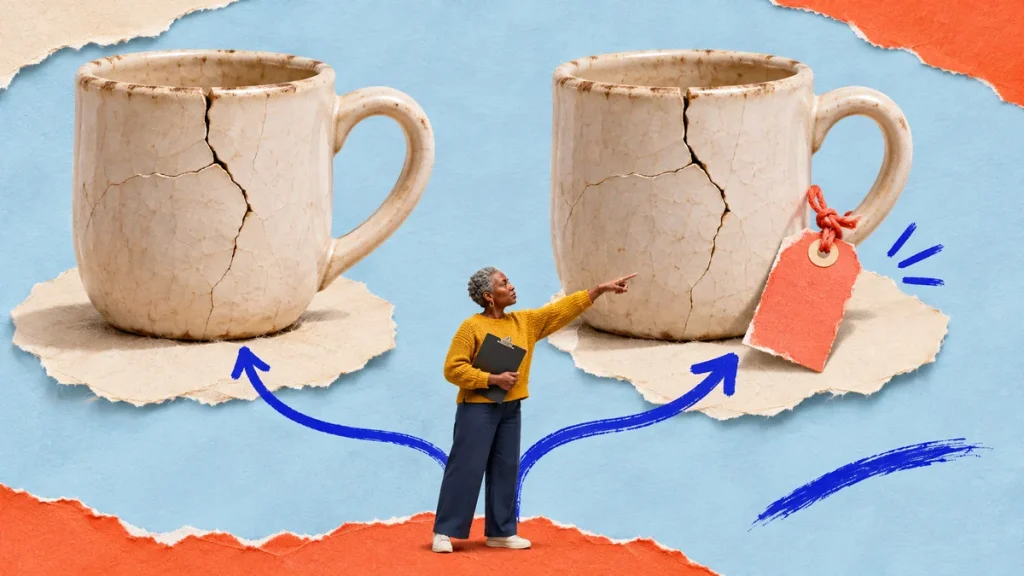
Two complaint records carry the same short label, yet the shop chose different next actions. Is the handling inconsistent, or does the label hide a relevant difference?
Comparing decisions usefully means examining their actual basis. A tidy category alone does not explain whether two cases were equivalent or why a different operational route was chosen.
Compare the circumstances, not the customer’s value
Imagine a fictional niche shop reviewing two damaged-item complaints. The operations partner compares the reported problem, checked information, authorised decisions and practical circumstances relevant to each case.
Do not substitute impressions about which customer is easier, more persuasive or more valuable. The review should make the reasoning inspectable rather than justify an arbitrary preference after the event.
A difference in the available information may explain a different next investigative step. It does not automatically establish that a different final outcome is appropriate. Keep those questions separate.
Find the recorded reason
Look for what the decision-maker relied on at the time. A clear case note distinguishes the supported facts, the unresolved question and the reason for the selected action.
If the reason is absent, record that gap. Avoid inventing a plausible explanation merely because the team wants its earlier decisions to appear consistent.
Internal guidance can help people organise the review, but it does not settle legal rights. Refer unresolved legal or specialist questions to the appropriate review rather than assuming a company preference answers them.
Ask whether the difference should change the route
Put the two cases beside one another and state the relevant difference explicitly. Ask the responsible person whether it supports the different operational handling, needs more checking or reveals an unclear rule.
The goal is not identical treatment regardless of circumstance, nor an excuse for any difference. It is an understandable decision basis that can be examined and corrected where necessary.
Keep the review focused on information needed for the case. Do not add sensitive personal details or customer profiling that the comparison does not require.
Rehearse a fair comparison
Use fictional case notes with the same short label. Give one a clearly described additional circumstance and leave the other’s decision reason incomplete. Ask a colleague which conclusions they can support and which remain open.
If they infer a reason from the customer’s tone rather than the case facts, revisit the review question. If they treat an unresolved information gap as a settled conclusion, clarify the evidence state.
A useful comparison may lead to a clearer decision note, a reviewed handling rule or another question for the responsible person. Its value is making the basis visible, rather than making two similar-looking records appear mechanically alike.
Continue the case-handling question
See the related guide: Make Complaint Decisions Reviewable and Complete.
- The Complaint Needs an Exception. Who Is Allowed to Decide?
- The Decision Was Made. Is the Complaint Ready to Close?
For a written practice option, review the Complaint Handling for Small Online Shops course overview. It offers written case practice; people remain responsible for real decisions and practical follow-through.
Check the course contents and current terms. Affiliate link: Superstore may earn a commission if you buy.


Discussion 0
What did this article make you think about?