
The Customer Contacted You Twice. Is It One Complaint or Two?
Connect repeated contacts to the right complaint without merging genuinely different problems. Preserve a usable working history and notice parallel actions.
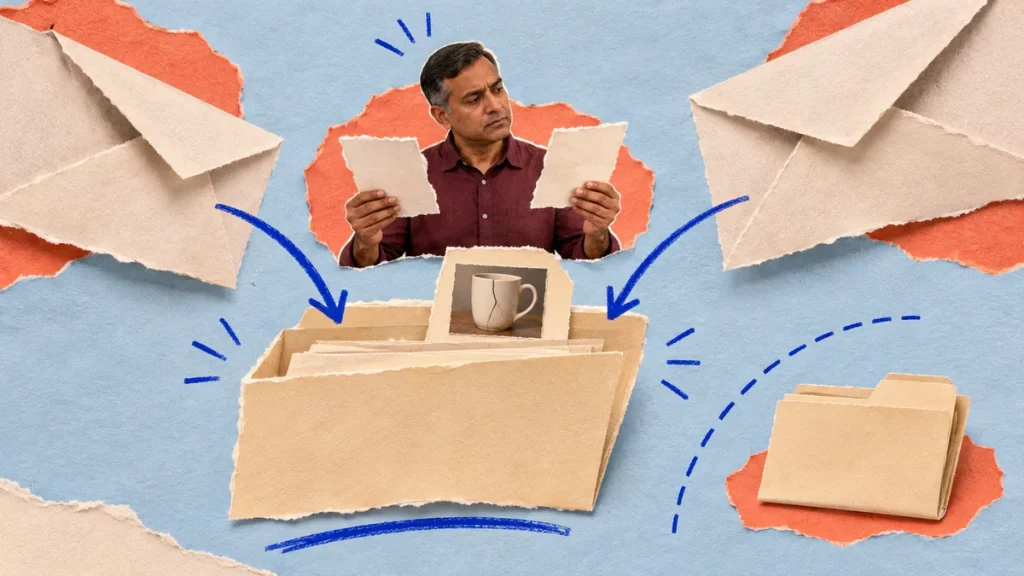
A customer emails about a problem and later sends a message through another channel. One colleague opens a case for the email; another starts handling the second message independently.
Before proceeding in parallel, establish whether the two contacts concern the same complaint or genuinely different problems. The goal is a usable history, not simply a smaller number of records.
Compare the case, not only the name
In a fictional sporting-goods shop, the support lead compares the relevant order, item, reported problem and earlier contact. The same customer can have more than one open issue, so a matching name or email address is not enough to settle the question.
Keep the original contacts available through the shop’s approved case-handling arrangements. A summary can connect them without erasing a detail that another handler may need.
Where identity remains uncertain, record the question for review. Do not force the messages together merely because a duplicate count looks untidy.
Make one working history understandable
When the contacts concern the same case, identify the record the team will use to coordinate the work. Link the relevant messages and record material updates where handlers can find them.
The next colleague should be able to see what the customer reported, what the shop has already said and which action is currently open. That is different from deciding how to combine the wording of several messages into one reply.
Keep any prior commitment visible. Starting a fresh-looking record should not make an earlier promise disappear from the operational picture.
Notice parallel actions before repeating them
Check whether somebody has already requested information, referred the case or obtained an authorised decision. An independent second action can confuse the case even when each colleague intended to help.
Agree how the active handler is identified and how another colleague adds useful information. The appropriate arrangement depends on the team’s tools and responsibilities; a new software system is not the only possible answer.
If two actions have already diverged, leave a short reconciliation note explaining what was checked and what the team will do next. Preserve the actual decision rather than silently overwriting the disagreement.
Try a same-customer pair
Create two fictional contacts about one problem, then another contact from the same customer about a different item. Ask a colleague to explain which belong together and which should remain distinct.
Observe the basis they use. If the team can only match on a customer name, improve the case context. If different problems are merged automatically in the exercise, clarify the review rule.
The useful outcome is one coherent working account for each actual complaint. Connecting the history helps the next handler continue the case while respecting the possibility that one customer has more than one thing to resolve.
Continue the case-handling question
See the related guide: Give the Next Handler One Coherent Case.
- The Customer Said It Was Faulty. What Have You Actually Checked?
- Your Colleague Is Away. Can You Continue This Complaint Without Starting Again?
For a written practice option, review the Complaint Handling for Small Online Shops course overview. It offers written case practice; people remain responsible for real decisions and practical follow-through.
Check the course contents and current terms. Affiliate link: Superstore may earn a commission if you buy.



Discussion 1