
The Draft Is Finished. Who Says It Is Ready to Release?
Give ready to release a shared meaning. Document who makes the publication decision, what it covers and how a late change returns for review.
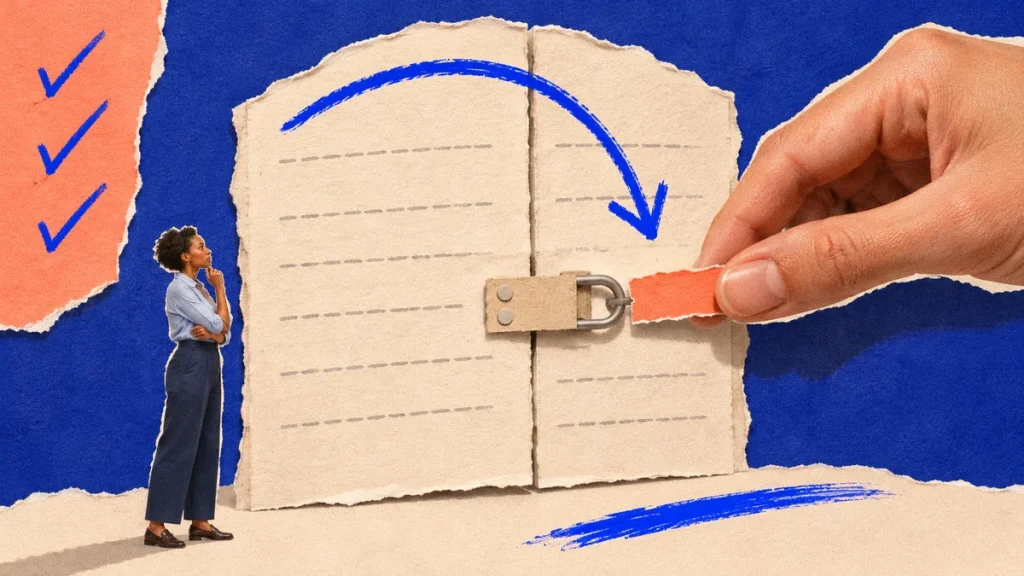
The writer has finished the draft. The designer has supplied the image. Someone asks whether the article can go live, and the team discovers that ready means something different to each person.
A release instruction should make the decision visible. Completing a contribution is not necessarily the same event as approving the whole item for publication.
Define the release decision
Consider a fictional small communications team publishing a client update. The copywriter can confirm that the text is complete, but the client’s factual approval and the final destination still need to be checked.
Write what the release decision covers in your actual process. Identify who may make it and what evidence they need. Avoid a generic approval box that different colleagues interpret in incompatible ways.
The instruction should also say where that decision is recorded. A colleague covering the work should not have to search private messages to establish whether a draft has been approved.
Keep the checklist tied to the item
A useful checklist reflects the publication and its actual obligations. That may include checked names and claims, permission for supplied material, correct destinations and the intended release timing. The relevant owner should approve the organisation’s requirements.
Do not convert a convenient editorial suggestion into a universal compliance rule. Where a specialist decision is needed, the instruction should route it to the authorised person rather than pretending the checklist makes that judgement automatically.
Keep incomplete checks visibly incomplete. A box should not be ticked merely because the team expects someone else to finish the work later.
Explain what happens after a change
An approved draft may be altered before release. The instruction needs a route for deciding whether the change requires renewed review. Otherwise an old approval can appear to cover words or images the reviewer never saw.
Record the version or item the decision refers to, using the tools the team actually works in. Identify who handles a late question and who can pause the release if the necessary information is missing.
The point is a usable process for the people involved, not an elaborate approval hierarchy added for its own sake.
Rehearse the late-change case
Use a fictional update with one normal release and one changed detail after approval. Ask a colleague to follow the written instruction and explain what can happen next.
Can they identify the current item, the missing decision and the person who owns it? If they must infer the answer from your tone or habits, capture the supported rule after review and retest it.
A clear release instruction gives the team a shared meaning for ready. It lets contributors finish their parts while keeping the final publication decision connected to the item that will actually appear.
Explore the working instruction
See the related guide: Help Colleagues Find and Use the Approved Work.
- You Found the Template. Is It the One You Can Use?
- They Said “Use Your Judgement.” What Rule Can You Actually Write Down?
For a written practice option, review the Team Knowledge with Matze course overview. It uses written exercises and requires your own review of the working instructions.
Check the course contents and current terms. Affiliate link: Superstore may earn a commission if you buy.



Discussion 0
What did this article make you think about?